

A note before you read: this post talks about pregnancy loss and stillbirth. Please take care of yourself as you read, and step away whenever you need to.
Why we are talking about this
Most pregnancies end with a healthy baby in their parent’s arms. That is the story we love to tell, and it is true for the vast majority of families. But some pregnancies end in stillbirth, the death of a baby at 20 weeks of pregnancy or later. In the United States, that is roughly 1 in 175 births. It is far more common than most people realize, and far less talked about.
The silence around it can be its own kind of heartbreak. Families tell us they felt isolated, that friends did not know what to say, or that people stopped saying their baby’s name altogether. So as part of this series, we want to do something simple: talk about it openly, kindly, and honestly.
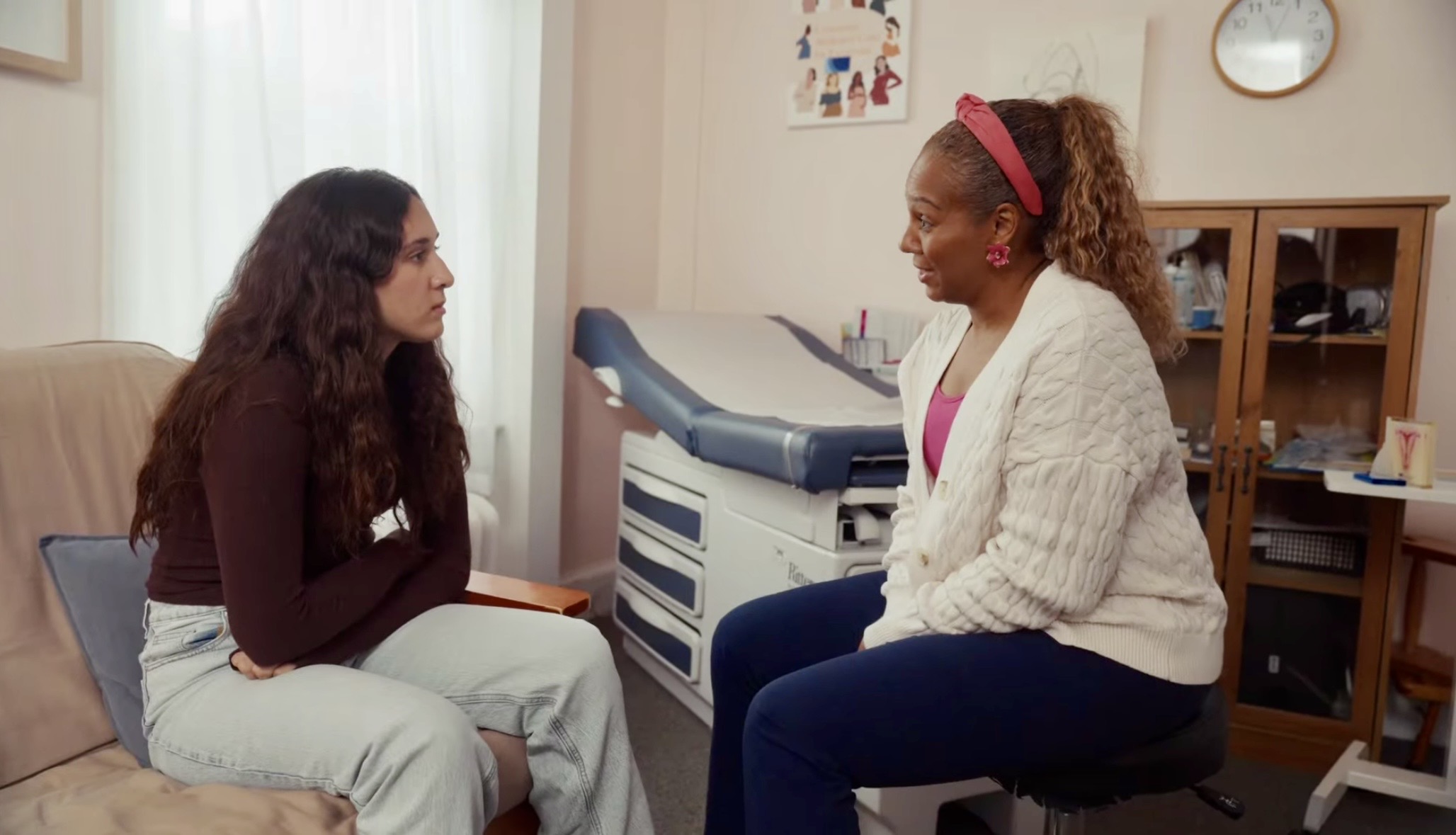
I am a midwife, and I have had the privilege of caring for families through every kind of birth story, including the ones that end in grief. This is what I want you to know.
First, what stillbirth is (and is not)
Stillbirth means a baby has died in the womb at or after 20 weeks of pregnancy. Sometimes there is a clear medical reason. Often, even after thorough testing, there is not. Causes can include problems with the placenta or umbilical cord, infections, genetic conditions, and complications of the pregnancy, and many of these are not things anyone could have predicted or prevented.
Here is the most important thing I can say: stillbirth is not caused by something you did or did not do. It is not because you exercised, worked, traveled, felt stressed, ate the wrong thing, or missed a sign. If you are carrying guilt, please hear me clearly. You did not cause this. Grief and “what if” thinking often arrive together, and a good care team will gently help you hold both.
What the midwifery model of care brings to this moment
Midwifery care is built on a few simple ideas: that you are the expert on your own body and your own family, that pregnancy and birth are significant life events (not just medical ones), and that good care is built on relationship and trust. Those values matter at every point in a pregnancy, and they matter profoundly in the hardest moments.
You are listened to. A midwife takes the time to hear you. If something feels different, such as a change in your baby’s movement, a nagging worry, or a feeling you cannot quite name, that deserves attention. Your instincts are information. Please never wait or wonder if you are “bothering” us. Call, every time.
You are part of every decision. In midwifery care, you are never just told what will happen. You are offered clear information, options, and time to ask questions. If your baby has died, there are real choices to make about what comes next, and your midwife’s job is to walk you through them at your pace.
You are cared for as a whole person. Grief is physical, emotional, and deeply personal. Midwives pay attention to your body, your mind, the people who support you, and your cultural and spiritual needs. You are not a case. You are a parent.
You are not handed off and forgotten. Continuity matters. Many families find comfort in having a midwife they already know beside them, and in follow-up care that extends well beyond the birth, including postpartum checkups, support for lactation and physical recovery, emotional check-ins, and help thinking through future pregnancies when and if you are ready.
If your baby has died: what care can look like
Every family’s experience is different, and there is no right way to do this. A compassionate care team can support you with:
- Time and choice. Time to absorb the news, to talk with the people you love, and to decide about the path of birth that feels right for you and your health.
- Time with your baby. Many parents find it meaningful to hold their baby, take photos, bathe or dress them, or invite family to meet them. Others prefer a different path. Both are okay, and it is yours to choose.
- Memory-making. Handprints, footprints, a lock of hair, a blanket, or a name spoken aloud. These can matter for years to come.
- Answers, if answers are possible. Testing, an autopsy, or a placental exam can sometimes help explain what happened. This is your decision, and your midwife can explain what each option involves and what it may or may not reveal.
- Support for your body. Postpartum recovery still happens after a loss, including bleeding, milk coming in, and healing. Nobody should face that unprepared or alone.
- Support for your heart. Counseling, peer groups, and bereavement resources, for you and for the people grieving alongside you.
If you are grieving right now
There is no timeline for grief and no “correct” way to feel. You might feel numb, angry, exhausted, or all of it in a single hour. You might feel strong one day and flattened the next. All of that is part of loving someone.
Please lean on others, and let people help in practical ways. And if you ever feel that your grief has become too heavy to carry, reach out to your midwife, doctor, or a mental health professional right away. You deserve support.
What many parents wish they had known
When I ask families what they wish someone had told them, the answers are remarkably similar. Nobody can make this easy, but knowing what to expect can take away some of the fear of the unknown. Here is what I hear most often.
- Birth is still birth. Many parents are surprised to learn they will likely go through labor and give birth to their baby, rather than having surgery. Hearing this is hard, and it is better to hear it early and gently. Your midwife or care team will walk you through your options, including induction, timing, pain relief, and the rare situations where a cesarean birth is recommended.
- You may have more time than you think. In many situations, there is room to take a breath, call your family, and decide what feels right before anything begins. If timing matters for your health, your care team will tell you plainly and explain why.
- If your baby is born sleeping, they will be quiet and that is part of it. Many parents say they were not prepared for the silence at birth. It is okay to cry, to hold your baby, to talk to them, or to need someone else to hold them first.
- You can take your time with your baby. Holding, dressing, photographing, bathing, naming, and bringing family in to meet them are all options. So is choosing none of these. There are no wrong choices, and many parents say they wish they had been invited to spend more time, not less. Ask whether your hospital, birth center or homebirth midwife has ways to extend that time.
- Your body will still go through postpartum. Bleeding, cramping, and soreness are all expected, and your milk may come in a few days after the birth. This can be painful in more ways than one. Ask your midwife about comfort measures, ways to ease milk coming in, and, if you wish, options for donating milk.
- There may be paperwork and decisions. These can include autopsy and testing, funeral or cremation arrangements, and birth or death certificates, which vary by state. Ask your care team or a hospital social worker to help you sort through them, and to give you time.
- You may not get a clear answer. Testing can help, but in many cases no cause is found. That can feel almost unbearable. Your midwife can help you make sense of the results you do get and sit with the questions that remain.
- The people around you may grieve differently. That can include a partner, your other children, your parents, and your friends. Differences in how people mourn are common, and they are not a sign that someone cares less. If you are going through this without a partner, whether you are parenting solo or your partner is far away, you deserve just as much support. Your midwife can help you decide who you want with you at the birth and who to lean on afterward. Children usually do best with simple, honest words about what happened.
- People will say clumsy things. Well-meaning comments like “at least you can try again” can hurt. You are allowed to set boundaries, to step away from a conversation, or to ask a friend or family member to speak on your behalf.
- Reminders will find you. Baby product emails, formula samples, and pregnancy apps can keep arriving. Many parents wish they had known they could opt out, and that a friend or family member can help do it for them.
- You may want to ask for a different room. Many parents find it difficult to hear newborns crying on a hospital unit. It is okay to ask to be placed somewhere quieter, and to ask for a sign or symbol on your door so staff know to approach gently.
- Grief comes in waves. It can ease and then return, often on due dates, birthdays, or anniversaries, and sometimes without any warning. Postpartum depression and anxiety can also happen after a loss, so please tell your care team if you are struggling. That is not weakness. It is something they can help with.
- You do not have to be strong. You are allowed to ask for help, to say no, to change your mind, and to take as long as you need.
If you are pregnant now, or pregnant again after a loss
Some of you reading this are pregnant and feeling worried. That is completely understandable. A few gentle reminders:
- Keep every prenatal visit and bring your questions. No question is too small.
- Get to know your baby’s usual patterns of movement, and call your midwife or provider promptly if you notice a change or simply feel that something is off.
- If you have experienced a loss before, tell your care team. Many families find that a midwife’s longer visits and relationship-based care help ease the anxiety of a pregnancy after loss.
Most importantly, please do not let fear convince you that you are overreacting. You are advocating for yourself and your baby, which is exactly what we hope you will do.
Where to find support
You do not need to do this alone. Here are some places to start:
- CDC’s National Center on Birth Defects and Developmental Disabilities (NCBDDD) is working to better understand factors impacting the risk for stillbirth. https://www.cdc.gov/stillbirth/about/what-cdc-is-doing.html
- The Compassionate Friends: an organization offering friendship, understanding, and hope to bereaved families that have experienced the death of a child, grandchild, or sibling. https://www.compassionatefriends.org/
- International Stillbirth Alliance: an organization that aims to bridge the gaps in addressing stillbirth and early newborn death within the continuum of maternal and newborn health through collaborations for continued research, education, advocacy, and training on global care standards https://www.stillbirthalliance.org/
- First Candle: Bereavement support for SIDS and other sleep-related infant deaths. https://firstcandle.org/bereavement-support-2/
- Share Pregnancy & Infant Loss Support: https://nationalshare.org/
- Star Legacy Foundation: https://starlegacyfoundation.org/
- Find a midwife near you: https://ams.midwife.org/web-directory/1
A final word
To every parent who has lost a baby: your baby mattered, your love matters, and your grief makes sense. You are still a parent, and you deserve care that honors that.
And to every family who is reading this because you want to understand, to support someone you love, or to feel more informed on your own journey: thank you. Talking about hard things is how we make care kinder.
If you or someone you love needs immediate support, please contact your care provider or local emergency services.
National Maternal Mental Health Hotline:
833-852-6262 Crisis Text Line – Text #741741
Karen Kelly is an AMCB Certified Midwife (since 2011) who has spent the last decade working at the intersection of maternity care, communications and advocacy. Her writing draws on her clinical training and experience, her own personal pregnancy losses and years helping translate midwifery’s evidence and values for the public. She lives in Belgium with her family.